Preparing walls for premium paint, limewash, and wallpaper
A practical guide to wall preparation before premium paint, limewash, and wallpaper in London homes.
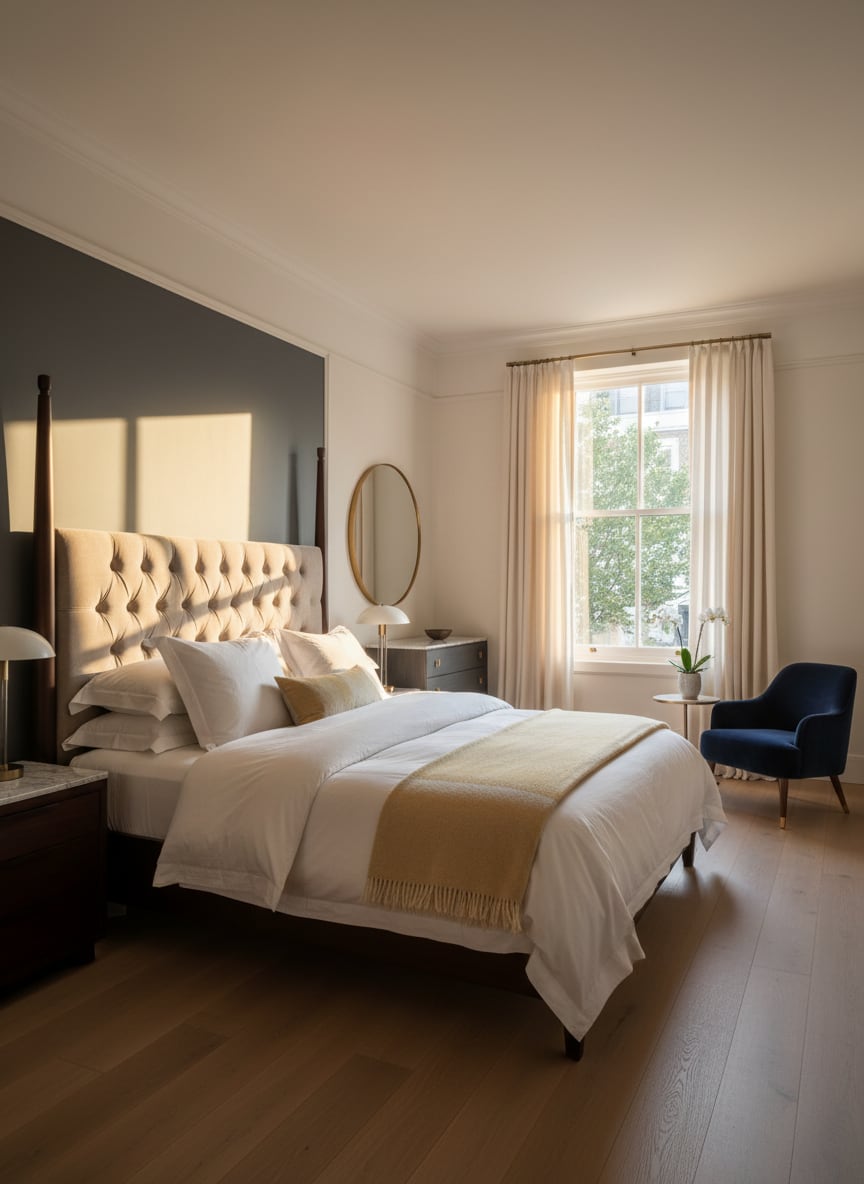
The best paint, limewash, or wallpaper can still look wrong if the wall underneath has not been prepared properly. In older London homes, small surface problems often become visible only after natural light hits the finished wall.
Good preparation starts with the substrate. New plaster, old paint, filler, lining paper, and previous repairs all behave differently. Before choosing a finish, check whether the wall is stable, dry, clean, and consistent enough for the material being used.
What to check before decorating
- Loose or flaking paint around edges, corners, and window reveals
- Hairline cracking around joins, fireplaces, stairwells, and old repairs
- Uneven suction on fresh plaster or patched areas
- Gloss or eggshell surfaces that need keying before repainting
- Damp staining, salts, or active moisture that should be solved before any finish
- Old adhesive or paste residue before wallpaper installation
These checks are not cosmetic extras. They decide whether the finish bonds correctly and whether the wall reads as calm once the room is furnished.
Why premium finishes need tighter preparation
Limewash and mineral finishes can reveal changes in suction. Wallpaper can expose ridges, hollows, and poorly sanded filler. Dark paint colours often make surface waves more visible, especially in rooms with large windows or side light.
For that reason, preparation should match the finish. A standard repaint may need careful filling, sanding, and spot priming. A specialist finish or designer wallpaper may need a fuller substrate plan, including lining, sealing, or more controlled priming.
A practical sequence
Start by removing loose material and cleaning the surface. Fill defects in thin passes rather than one heavy fill. Sand with consistent pressure, then dust down thoroughly. Prime bare or repaired areas before the final system goes on.
If the room uses wallpaper, the wall should be smooth enough that joints, paper edges, and directional light do not draw attention to the substrate. If the room uses limewash, primer and surface absorbency should be tested before the main application begins.
Preparation is quiet work, but it is where premium decorating succeeds or fails. The finish should feel intentional at close range, not only in photographs.